April 21, 2026
Diamonds from a local jewelry store have long been the traditional choice for engagement rings, symbolizing unwavering commitment and timeless elegance. However, in recent years, moissanite has emerged as a compelling alternative, offering a unique blend of beauty, durability, and affordability. Moissanite, with its dazzling brilliance and fire, offers an aesthetic appeal that rivals that of diamonds at a fraction of the cost. As consumers become more conscious about the ethical and environmental ramifications of their purchases, moissanite provides a conflict-free and sustainable option. This post delves into the reasons why moissanite from a local jewelry store can be an excellent substitute for diamonds, appealing to those who seek something different yet equally stunning.
Origin and Composition of Moissanite
Discovering Moissanite
Firstly, moissanite was first discovered in 1893 by French chemist Henri Moissan in a meteor crater located in Arizona. Originally mistaken for diamonds, these crystals were later identified as silicon carbide. This accidental finding sparked interest due to the stone's unique properties and dazzling appearance. Over the decades, advancements in technology enabled scientists to recreate moissanite in lab settings, making it accessible on a commercial scale. Its extraterrestrial origins only add to the stone's allure and intrigue.
Natural vs. Synthetic Moissanite
Natural moissanite is exceedingly rare, occurring only in minute quantities on Earth. As a result, virtually all moissanite used in jewelry today is synthetic, produced in laboratories where conditions mimic those of outer space. Lab-created moissanite maintains the same physical properties, composition, and beauty as its natural counterpart. This process of creation underscores the stone's sustainability, as it does not require mining and thus minimizes environmental impact. The synthetic approach also ensures consistent quality and availability.
Chemical Composition and Structure
Moissanite is composed of silicon carbide, a compound that imparts exceptional properties to the gemstone. Its crystalline structure allows for an impressive level of brilliance and light dispersion, giving it a fiery appearance that catches the eye. Silicon carbide's unique composition also contributes to moissanite's durability and resistance to heat and scratching. These features make it an attractive alternative to diamond, particularly for those seeking a resilient yet beautiful stone. Understanding its chemical makeup helps highlight why moissanite stands out among other gemstones.
Natural Diamonds Comparison
While diamonds are composed of pure carbon, moissanite's silicon carbide structure is what sets it apart. In terms of hardness, diamonds score a perfect 10 on the Mohs scale, while moissanite follows closely with a rating of 9.5, according to The Knot. This close approximation reflects its exceptional durability, necessary for everyday jewelry items such as engagement rings. Moissanite's ability to work almost as effectively as diamond makes it an appealing choice for those looking for something different. Its affordability compared to natural diamonds further adds to its appeal.
Visual and Aesthetic Appeal of Moissanite
Brilliance and Fire
Moissanite is renowned for its brilliance, offering a higher refractive index than diamond. This quality means it can reflect more light, generating vibrant flashes of colors, also known as "fire." The stone's exceptional light performance often dazzles many, making it a popular choice for engagement rings. Moissanite's ability to sparkle in varying light conditions enhances its overall appeal, making it a captivating centerpiece for any piece of jewelry. Its brilliance surpasses that of many other gemstones, ensuring its place as a favored diamond alternative.
Color and Clarity
In terms of color, moissanite is typically available in near-colorless options, though some display subtle undertones. The advancement of technology in its production has enabled the creation of moissanites that are clear and free of common inclusions. This clarity ensures that the stone remains vibrant and eye-catching without the natural imperfections that can detract from its beauty. Its ability to maintain clarity over time makes moissanite a practical option for those looking for a lasting, beautiful gemstone. With such credentials, moissanite charms users with its luminous presence and flawless appeal.
Available Shapes and Cuts
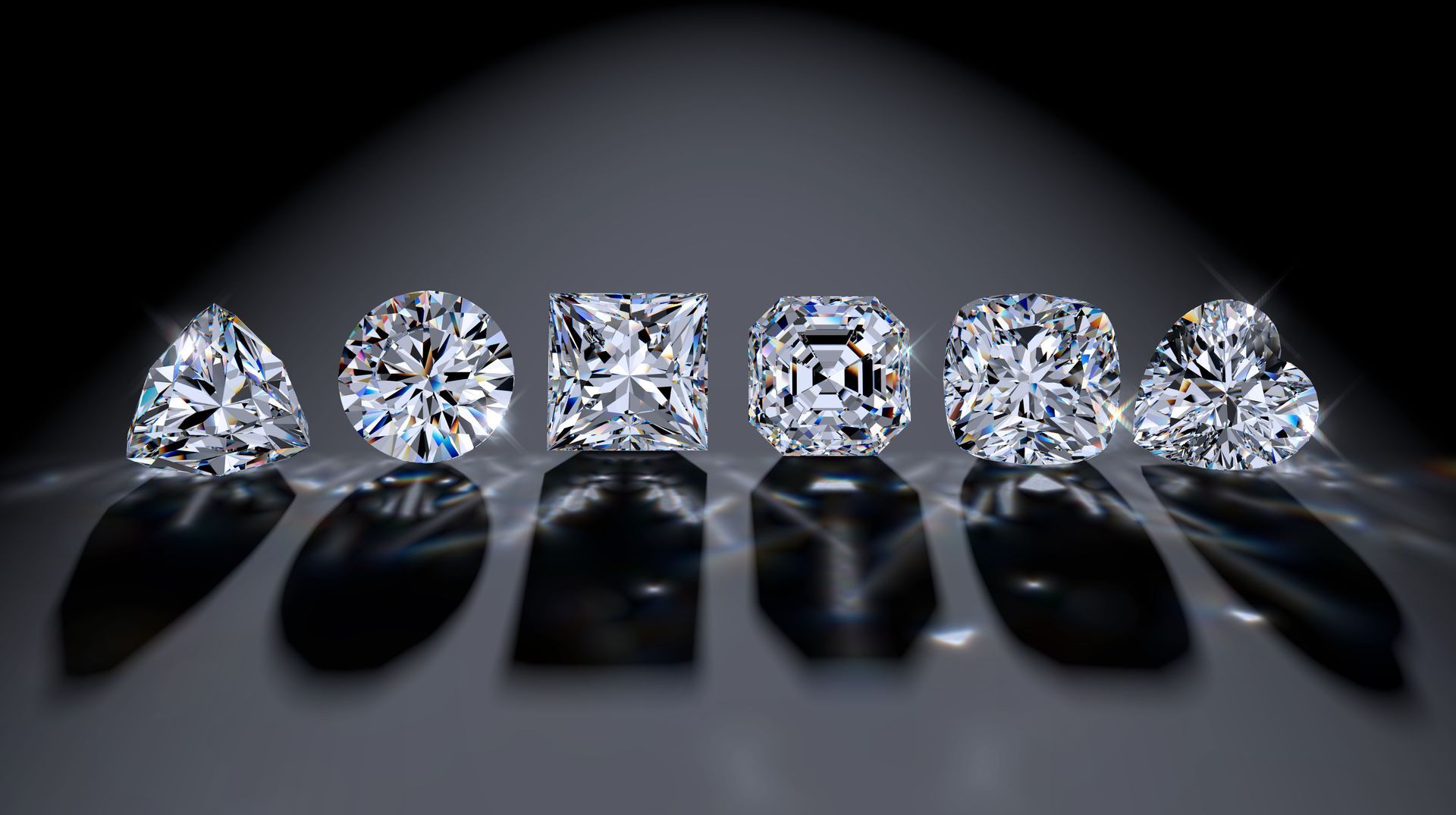
Moissanite at a local jewelry store can be fashioned into a variety of shapes and cuts, similar to diamonds, providing vast options for personalization. Common shapes include round, cushion, princess, and oval, each offering a unique perspective on the stone's innate brilliance. The choice of cut impacts how effectively the stone will reflect light, allowing individuals to select according to personal preference. Each style highlights different aspects of the gemstone, offering opportunities for creative expression. This variety ensures that everyone can find a moissanite piece that fits their aesthetic desires.
Comparisons to Diamond Aesthetics
While diamonds are unrivaled in terms of their historical associations, moissanite at a local jewelry store excels in replicating diamond-like aesthetics. It possesses more fire, with rainbow-like flashes that distinguish it from the white light of diamonds. For consumers desiring the brilliance of a diamond with added vibrancy, moissanite proves itself as a worthy choice. Despite these differences, both stones offer sophistication and elegance in jewelry design. Consumers can relish in moissanite's distinctive glow while enjoying a comparable aesthetic to traditional diamonds.
Durability and Maintenance
Hardness Scale: Moissanite vs. Diamond
When it comes to durability, moissanite is second only to diamonds. As previously mentioned by The Knot, while not as hard as diamonds, moissanite comes awfully close at 9.5 on the Mohs scale of hardness, making it a great choice for an engagement ring that's a little different from anyone else's. This rating ensures that moissanite can withstand daily wear and tear without easily succumbing to scratches or abrasions. Those who prioritize long-lasting jewelry will find moissanite to be an excellent option. Its hardness guarantees resilience, even with sustained use, comparable to its diamond counterpart.
Scratching and Resistance
Moissanite's resistance to scratches renders it suitable for pieces of jewelry that see frequent use, such as rings and bracelets. Its hardness allows it to maintain a polished appearance, even amidst the demands of everyday life. The gemstone can endure various environmental conditions without losing its structural or aesthetic integrity. This resistance ensures that moissanite retains its shine and clarity across time, securing its place as a durable vanquisher of standard wear challenges. Jewelers frequently recommend it as a primary choice for settings susceptible to damage.
Daily Wear and Tear
Despite daily exposure to potential stressors, moissanite maintains its durability, serving jewelry owners with ease. Its chemical structure and hardness make it impervious to minor knocks and bumps, which can otherwise mar lesser stones. Thus, moissanite proves its worth for engagement rings and other high-contact jewelry that requires perpetual brilliance. This resistance adds to its allure, only increasing the popularity of moissanite in the modern jewelry market. Underlining its quality, the consistent brilliance of moissanite remains largely unimpaired by regular use.
Cleaning and Maintenance
Keeping moissanite clean is a straightforward task, reflecting its low-maintenance nature. A gentle scrubbing using warm soapy water helps remove accumulated residues, revealing the stone's enduring brilliance. A local jewelry store recommends periodic ultrasonic cleaning to retain the crisp reflectivity demanded by discerning individuals. By maintaining a routine cleaning schedule, owners can ensure their moissanite stays as enchanting as the day it was first worn. Minimal maintenance requirements heighten the stone's appeal for busy lifestyles seeking uninterrupted beauty.
Moissanite offers a compelling alternative to traditional diamonds, combining brilliance, durability, and affordability with ethical appeal. Its lab-created origins reduce environmental impact while delivering lasting beauty. For those seeking a distinctive, responsible, and visually striking gemstone, moissanite stands out as a modern choice for meaningful jewelry purchases today and beyond. When you need a local jewelry store for help, give Crown Jewels a call.